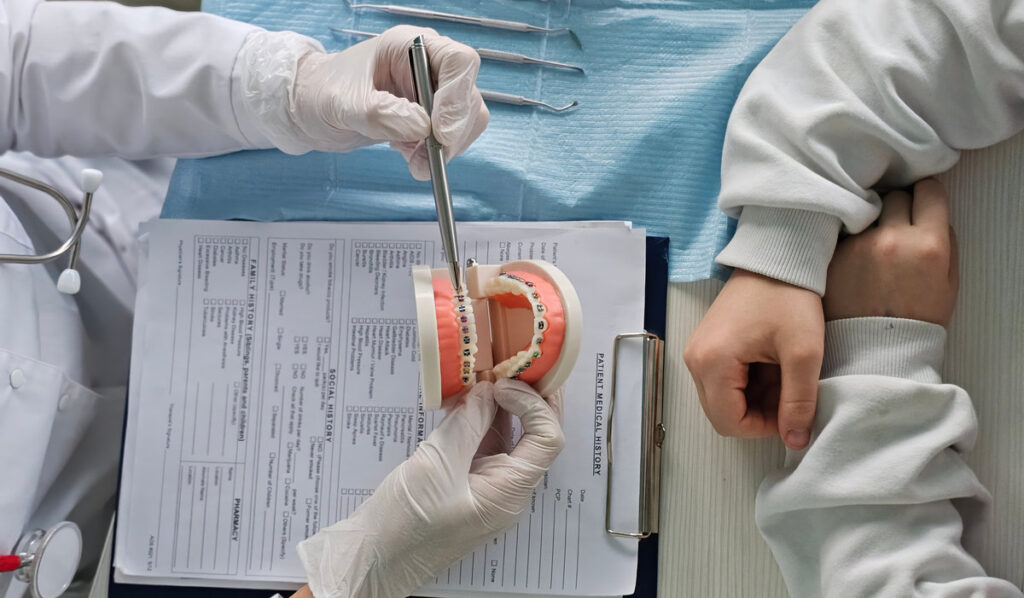
Comprehensive dentistry and corporate dental chains differ less in the equipment on the wall than in how care is organized: who owns the practice, who makes treatment decisions, how much time is set aside for an exam, and whether the same dentist follows your oral health over the years. Corporate chains, usually supported by dental service organizations (DSOs), can offer convenience, extended hours, and broad insurance participation. A comprehensive, independently owned practice tends to emphasize a full-mouth evaluation, a long-term treatment plan, and continuity with one dentist. Neither label guarantees good or poor care on its own, so the most useful thing you can bring to any office is a clear set of questions.
Dr. David Crumpton established Complete Dentistry in Trophy Club in 1995 and still treats patients personally at both our Trophy Club and Las Colinas offices. As an independent comprehensive practice, we make our own clinical decisions, plan care around the whole mouth rather than one tooth at a time, and build relationships that last for decades. Below, we explain what comprehensive care looks like in practice, how ownership can shape a dental visit, and what to ask before you choose any dentist.
What Comprehensive Dentistry Actually Means
Comprehensive dentistry treats the mouth as a connected system. Your teeth, gums, bite, jaw joints, soft tissues, and existing dental work all affect one another, so a problem in one area often has a cause somewhere else. A cracked molar may trace back to nighttime grinding, and recurring decay around an old crown may point to a bite or hygiene issue that a new crown alone will not solve. A comprehensive approach looks for those connections before recommending treatment.
That philosophy shows up most clearly in the first exam. A thorough new-patient evaluation at a comprehensive practice typically covers several areas that a quick check of the teeth can miss:
- Periodontal charting: Measuring the gum pockets around each tooth to catch early gum disease before it causes bone loss.
- Appropriate imaging: X-rays matched to your history and risk level, so problems between teeth and below the gumline are not missed.
- Bite and jaw evaluation: Checking wear patterns, clicking, or muscle tenderness that may point to grinding or TMJ concerns.
- Oral cancer screening: A visual and physical check of the tongue, cheeks, floor of the mouth, and neck.
- Review of existing restorations: Examining fillings, crowns, and bridges for leaks, cracks, or wear.
From those findings, a comprehensive dentist builds a plan that separates urgent needs from items that can be phased in over time, so you can make decisions with the full picture in front of you.
How Practice Ownership Can Shape Your Visit
A DSO is a company that handles some or all of a dental practice’s nonclinical work, such as billing, staffing, purchasing, and marketing. The arrangement varies widely. Some DSOs provide back-office support to offices that dentists still own, while others operate many locations under one brand and employ the dentists who work there. According to the American Dental Association’s Health Policy Institute, DSO affiliation has grown steadily, and more than one in four dentists within 10 years of graduation were affiliated with a DSO in 2024.
Because the model varies so much, the label on the door tells you less than the answers to a few practical questions: who makes clinical decisions, how appointment lengths are set, and whether you can see the same dentist each time. At Complete Dentistry, Dr. Crumpton makes those decisions himself based on what serves our Trophy Club and Las Colinas patients. We schedule enough time to examine, explain, and answer questions, and our recommendations are based on clinical need rather than outside targets.
Continuity of Care and Relationship Building
Continuity is one of the quiet foundations of good dentistry. A dentist who has examined your mouth over many years can compare today’s X-rays with earlier ones, notice slow changes in gum health or tooth wear, and remember which treatments you prefer and which ones make you anxious. In any office with several dentists, corporate or private, you may be booked with whoever has an opening, so it is worth asking whether you can request the same provider at every visit.
At Complete Dentistry, our patients see Dr. Crumpton, who has served this community for more than three decades. That continuity supports proactive care that catches problems early and treatment plans that respect your circumstances and goals. When you visit for preventive care or complex procedures, you are seeing a dentist who knows your history. If longevity in practice matters to you, we explore that topic further in our article on choosing a long-established practice.
Treatment Planning and Clinical Autonomy
Whatever the setting, a sound treatment plan should explain why each item is recommended, what may happen if you wait, and which items are urgent versus elective. You should receive more than one option when more than one reasonable option exists, along with estimated costs in writing. If a plan feels rushed or unexplained, a second opinion on your treatment plan is a normal, reasonable step, and a confident dentist will welcome it.
Dr. Crumpton’s approach to comprehensive dentistry prioritizes long-term oral health. We take time to present treatment options with transparent pricing, explain the pros and cons of each approach, and respect your decisions without sales pressure. Whether you need a simple filling or dental implants, our recommendations come from clinical assessment and your individual needs.
Technology Investment and Quality Standards
Many offices of every type now use digital X-rays and modern equipment, so the presence of technology alone does not separate one practice from another. What matters more is how a dentist uses it: whether imaging is reviewed carefully with you, whether tools improve diagnosis and comfort, and whether the dentist has deep training on the systems in the room.
Complete Dentistry invests in technology that improves patient care. Overjet AI helps us review X-rays with an added layer of analysis, and CEREC allows us to design and place porcelain crowns in a single visit. Dr. Crumpton became so proficient with CEREC that the company hired him to train other dentists on the procedure. We also offer digital smile design, which lets you preview cosmetic changes before treatment begins.
Questions to Ask Any Dental Office Before You Commit
Whether you are comparing a corporate chain, a group practice, or an independent office, a short phone call or first visit can tell you a great deal. These questions focus on how care is delivered rather than on marketing claims.
Who Will I See at Each Visit?
Ask whether you will have one primary dentist and whether you can request that dentist for future appointments. Ask how long the dentist has practiced with the office, since a stable relationship is easier to build when your provider is likely to be there next year.
What Does the New-Patient Exam Include?
A complete answer should mention gum measurements, imaging, a bite evaluation, and an oral cancer screening. If an office cannot describe what its exam covers, or if past visits have felt like a quick glance, our guide to red flags in dental care outlines other warning signs worth noticing.
How Are Options and Costs Presented?
Ask whether you will receive written estimates, how insurance benefits are applied, and what financing is available. Practices handle insurance differently, and our article on fee-for-service dental care explains how that model works alongside PPO plans.
Who Handles Complex Care?
Ask which procedures are done in the office and which are referred out. Having implants, crowns, orthodontics, and restorative work coordinated by one dentist can keep a multi-step plan organized, while referrals may make sense for certain complex cases. Either way, you should know who is responsible for the overall plan.
Experience Relationship-Based Dental Care at Complete Dentistry
Dr. David Crumpton graduated from the Baylor College of Dentistry, opened his Trophy Club practice in 1995, and typically completes two to three times the continuing education the state requires, including coursework at the Pikos Institute and the Kois Center. He is a certified Gold Provider of Invisalign. Whether you are seeking routine dental care or complex restorative treatments, you will work with a dentist who is also the owner and who is invested in this community for the long term.
We invite you to bring your questions, your records, or a treatment plan you would like reviewed. We will walk through your options in plain language and help you decide what fits your health, budget, and goals. Contact Complete Dentistry to schedule a comprehensive exam at our Trophy Club or Las Colinas office.
Frequently Asked Questions About Comprehensive and Corporate Dentistry
What is a DSO in dentistry?
A dental service organization, or DSO, is a company that manages some or all of the business side of dental offices, such as billing, staffing, purchasing, and marketing. Some DSOs support offices that dentists still own, while others operate many branded locations and employ the dentists. Because arrangements differ, it helps to ask any office who makes clinical decisions and how appointments are scheduled.
Is a corporate dental office always less expensive?
Not necessarily. Fees vary by office, by insurance participation, and by the treatment recommended, so the most reliable comparison is a written estimate for the same plan. A lower price for one visit can also look different over time if problems are treated one at a time rather than planned together.
Can I get a second opinion on a treatment plan from another office?
Yes. You are entitled to request copies of your X-rays and treatment plan and have another dentist review them. A second opinion is especially reasonable before extensive or costly treatment, and many patients find it helps them understand which items are urgent and which can wait.
What should a comprehensive dental exam include?
A comprehensive exam typically includes gum pocket measurements, X-rays suited to your history, an evaluation of your bite and jaw joints, an oral cancer screening, and a review of existing fillings and crowns. It usually takes longer than a routine checkup, so ask how much time is scheduled when you book.
Does Complete Dentistry accept insurance?
We accept most PPO insurance plans and offer financing through CareCredit, Sunbit, and Proceed Finance. Our team can review your benefits before treatment so you know what to expect, and we offer a membership plan for patients without traditional insurance.