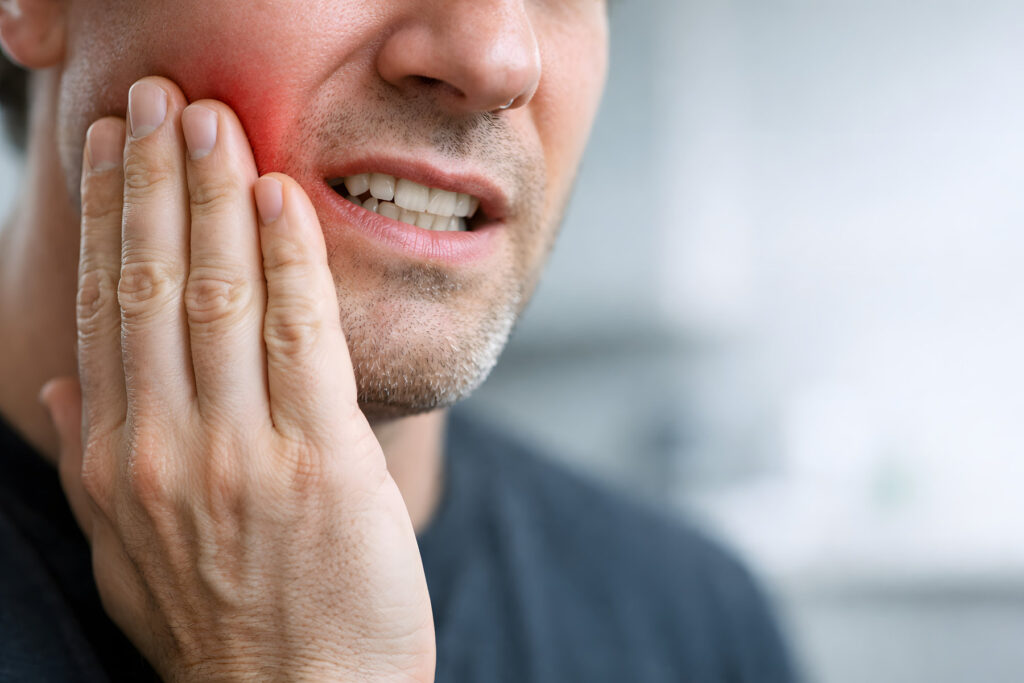
A dull ache along the jawline can mean a dozen different things. Maybe you slept wrong, maybe you have been chewing gum too aggressively this week, or maybe something more persistent is starting to take hold. The tricky part is that ordinary jaw soreness and a temporomandibular joint disorder can feel almost identical in the first few days, which makes it hard to know whether rest will fix it or whether it needs a closer look.
At Complete Dentistry, we see patients who have lived with jaw discomfort for weeks before booking an appointment, usually because they assumed it would resolve on its own. Learning to recognize the difference between everyday muscle fatigue and a true TMJ disorder can help you decide when to wait it out and when to have it evaluated.
What Ordinary Jaw Soreness Usually Feels Like
Most everyday jaw pain comes from overuse. A long meal with chewy food, a stretch of stress-related clenching, or an awkward yawn can leave the muscles around your jaw feeling tired and tender, similar to how your legs might ache after a hard workout. This type of soreness tends to show up in a general area rather than a single point, and it typically fades within a day or two once the muscles have had a chance to rest.
You may also notice this kind of discomfort is inconsistent. It might bother you after a big dinner but feel completely fine by morning, or it might flare up during a stressful week at work and settle down once things calm down. Because it comes and goes with obvious triggers, ordinary jaw soreness is usually easy to connect to something you did recently.
Signs That Point Toward a TMJ Disorder
A temporomandibular joint disorder tends to announce itself differently. According to the National Institutes of Health, common symptoms include stiffness, limited jaw movement, and clicking or popping sounds in the joint itself, not just general muscle fatigue. That popping or grating sensation near your ear is one of the clearest signals that the joint, rather than the surrounding muscles, may be involved.
Another difference is duration. While ordinary soreness fades within a couple of days, TMJ-related pain often lingers for weeks and may gradually worsen instead of improving. You might also notice your bite feels different, as if your teeth are not quite lining up the way they used to, or that your jaw occasionally catches or locks when you open wide.
When Pain Radiates Beyond the Jaw
TMJ disorders can also cause discomfort that spreads beyond the jaw itself. Frequent headaches near the temples, ear fullness or ringing, and even neck tension are common companions to TMJ-related jaw pain. If you find yourself reaching for pain relievers for headaches more often than usual, and you also have jaw stiffness, the two symptoms may be connected rather than coincidental.
Simple Ways to Tell Them Apart at Home
Before scheduling a visit, a short self-check can help you sort out which category your discomfort falls into. Pay attention to how the pain behaves over the next several days rather than focusing only on how it feels in the moment.
A few questions worth asking yourself include the following.
- Does the pain fade within a day or two, or has it lasted more than a week?
- Do you hear or feel clicking, popping, or grinding when you open your mouth?
- Does your jaw ever catch, lock, or feel like it is moving unevenly?
- Are you also dealing with frequent headaches, ear discomfort, or neck tightness?
If you answered yes to more than one of these, it may be worth having your jaw evaluated rather than waiting for it to resolve on its own, since TMJ disorders that go unaddressed can become harder to manage over time.
Why Grinding and Clenching Complicate the Picture
Many patients who eventually receive a TMJ diagnosis also grind or clench their teeth, often during sleep and without realizing it. This habit, known as bruxism, places repeated strain on the jaw joint and surrounding muscles, which can gradually shift what starts as occasional soreness into a more persistent disorder. If you wake up with a sore jaw or notice worn edges on your teeth, grinding may be part of what is driving your symptoms.
A TMJ evaluation can help determine whether a nightguard, a change in habits, or a more targeted treatment approach makes sense for your specific situation. Because grinding often happens during sleep, many patients are surprised to learn how much it may be contributing to their daytime discomfort.
How We Approach Jaw Pain At Complete Dentistry
Dr. David Crumpton has spent almost 30 years serving the Trophy Club community, and jaw pain is one of the concerns patients bring in most often once they decide it is time for an answer. Rather than assuming every case is the same, we start by listening to how your symptoms developed and directly examining your bite, jaw movement, and joint function. This thorough evaluation helps us understand whether your discomfort is muscular, joint-related, or a combination of both before recommending the next step.
We also look at related habits and conditions that may be contributing to your symptoms, including clenching patterns and stress-related tension. Our sleep apnea therapy and gum disease treatment services reflect the same approach of looking at your full oral health picture rather than treating one symptom in isolation. If your jaw pain overlaps with sleep issues or other oral health concerns, we can help you sort out how those pieces fit together.
Reach Out to Complete Dentistry About Your Jaw Pain
Whether your discomfort turns out to be ordinary muscle fatigue or a true TMJ disorder, getting a clear answer may help you stop guessing and start addressing the actual cause. You do not have to live with jaw pain that keeps coming back, and you do not have to figure out on your own whether it needs attention.
Frequently Asked Questions About TMJ and Jaw Pain
How can I tell if my jaw pain is TMJ or just muscle fatigue?
Ordinary jaw soreness tends to fade within a day or two and shows up in a general area. TMJ-related pain often lingers for weeks, may worsen over time, and can include clicking, popping, or a bite that feels different.
What are the most common signs of a TMJ disorder?
According to the National Institutes of Health, common symptoms include stiffness, limited jaw movement, and clicking or popping sounds in the joint itself.
Can TMJ disorder cause headaches or pain elsewhere in my body?
Yes. Frequent headaches near the temples, ear fullness or ringing, and neck tension are common companions to TMJ-related jaw pain.
Does teeth grinding cause TMJ problems?
Grinding and clenching, known as bruxism, place repeated strain on the jaw joint and surrounding muscles, which can gradually shift occasional soreness into a more persistent disorder.
What treatments are available for TMJ disorder?
Depending on the cause, treatment may include a custom nightguard to reduce clenching, daily habit changes, or bite correction through clear aligner therapy when misalignment is contributing to the strain.
If jaw pain has been part of your routine for more than a week or two, or if you have noticed clicking, locking, or pain that spreads toward your ears and temples, Complete Dentistry may be able to help you find relief.
You can reach out to us to schedule an evaluation and get a clearer picture of what your jaw is trying to tell you.